If you’re thinking about buying a motorhome, one of the first things to check is whether you can drive it on your current licence.
For many UK drivers, a standard Category B car licence is enough. It generally allows you to drive a petrol, diesel or hybrid motorhome with a maximum authorised mass of up to 3,500kg. If the motorhome is heavier than this, you will usually need Category C1 entitlement.
That makes the vehicle’s plated weight an important part of choosing the right motorhome. Two models can look similar in size but fall into completely different licence categories, so it’s worth checking before you start narrowing down your options.
Motorhome Driving Licence UK Rules Explained
Your entitlement depends on the vehicle’s maximum authorised mass (MAM). On a motorhome, you’ll often see this listed as MTPLM.
This is the most the vehicle can legally weigh when fully loaded, not what it weighs when empty.
Category B and the Motorhome Driving Licence UK Limit
If you passed your car test on or after 1 January 1997, Category B normally covers conventional petrol, diesel or hybrid vehicles up to 3,500kg MAM.
Zero-emission electric and hydrogen vehicles can be driven up to 4,250kg on a Category B licence, subject to conditions. This doesn’t apply to conventional diesel motorhomes.
Pre-1997 Licences and C1 Entitlement
If you passed your test before 1 January 1997, you were normally given extra entitlements automatically, including C1. This covers vehicles over 3,500kg and up to 7,500kg MAM.
Don’t rely on your test date alone. Check your licence on GOV.UK to see exactly what’s on it.
C1 at Age 70
Things change when you turn 70.
Car licences must be renewed every three years from 70, but C1 isn’t kept through the standard online renewal. To keep it, you’ll need to renew your C1 entitlement separately and meet the medical requirements.
If your motorhome is over 3,500kg, check this well before your renewal date.
How to Check Your Motorhome’s Weight
You’ll find the MAM or MTPLM on the motorhome’s weight plate and in the manufacturer’s technical information.
Don’t confuse it with the Mass in Running Order. The difference between the two is your payload, which covers passengers, equipment and belongings. Payload also affects how a motorhome handles on the road, so it’s worth understanding before you load up for a trip.
A motorhome that’s comfortably under its limit when you collect it can easily go over once it’s packed for a fortnight away. It’s worth taking it to a public weighbridge fully loaded at least once, so you know where you stand.
Upgrading to a C1 Licence
If you don’t have C1, you can apply to add it.
You’ll need a full Category B licence first. Then apply for provisional C1 using a D2 form, usually with a D4 medical report. Once that’s in place, you’ll need to pass the theory and practical tests.
Driver CPC rules are a separate matter and generally apply to professional drivers, not private motorhome owners.
Training providers offer C1 courses that combine lessons with the test, and many owners complete the process within a few weeks. Costs vary, so compare a few providers before booking.
For many owners, C1 opens up a much wider choice of larger motorhomes with more generous payloads.
Will the 4.25 Tonne Limit Change?
There’s been plenty of discussion about raising the motorhome limit from 3,500kg to 4,250kg.
The revised European driving licence rules allow Category B holders to drive motorhomes up to 4,250kg after extra training or testing. The UK no longer has to adopt EU licence changes automatically.
In a Parliamentary answer on 29 January 2026, the Department for Transport said it was considering similar measures for Great Britain. As of September 2026, the UK limit for a conventional petrol or diesel motorhome is still 3,500kg.
If the rules do change, any new entitlement is likely to come with extra training or testing rather than applying automatically. Until then, check current GOV.UK guidance rather than older news stories.
Which Coachman Motorhomes Suit a Category B Licence?
Coachman motorhomes come in at different plated weights.
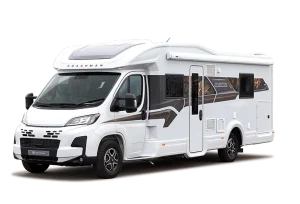
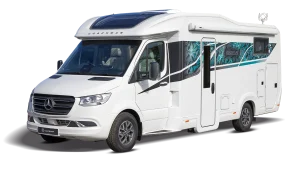
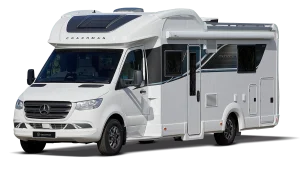
The Coachman Sportivo 565 has an MTPLM of 3,500kg, so it sits within the normal Category B limit. It’s a two-berth motorhome built on the Mercedes-Benz Sprinter, with a quoted personal payload of 480kg.
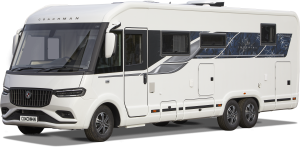
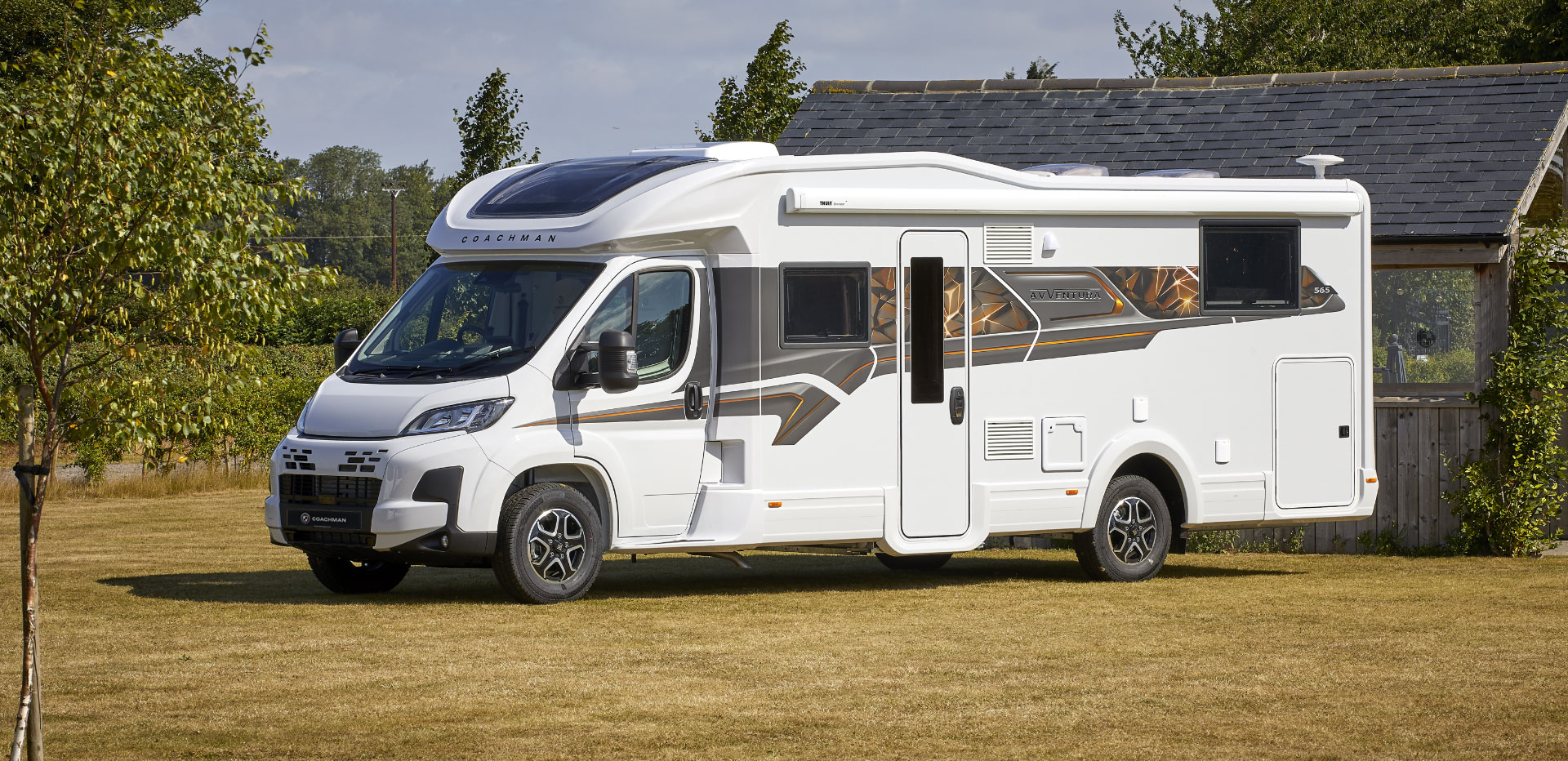
The Avventura 545 and 565 and the Travel Master 545 and 565 are plated at 4,500kg, so you’ll need C1 entitlement to drive them. The flagship Travel Master Imperial 845 is heavier again at 5,880kg MTPLM, so it also sits above the standard Category B limit.
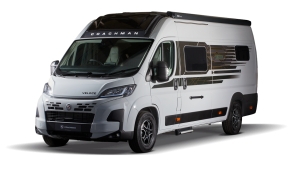
The new Coachman Veloce campervans are also plated at 3,500kg.
Plated weights can vary between individual vehicles depending on the specification and any optional weight upgrades. Whichever model you choose, check the figure for the exact motorhome you’re buying rather than relying on a brochure or advert, and confirm it with your dealer before ordering. If you’re new to larger vehicles, our guides to driving a large motorhome and owning your first motorhome are good next reads.
Frequently Asked Questions
Can I drive a 3.5 tonne motorhome on a car licence?
In most cases, yes. A full Category B licence covers conventional vehicles up to 3,500kg MAM.
What happens if I drive a motorhome above my licence entitlement?
You could face penalties, and your insurance may not be valid. Always confirm your entitlement first.
Does towing change the licence rules?
It can. What you need depends on the motorhome, the trailer weight and the combined MAM. Check your own entitlement before towing.
Compare layouts, weights and specifications across the Coachman motorhome range to find the right model for the way you travel.